











Walk past any park on a weekend and you’ll see it some kids are bowling a soft ball underarm, laughing between overs, while others are gripping a hard red ball with real focus, working on their line and length. Same sport, two very different journeys.
For parents, the common question is simple: which one is right for my child right now? The good news is that there’s no wrong answer here just a natural progression. Here’s a clear look at both formats so you can decide what fits your child best.
What Is Season Ball Cricket?
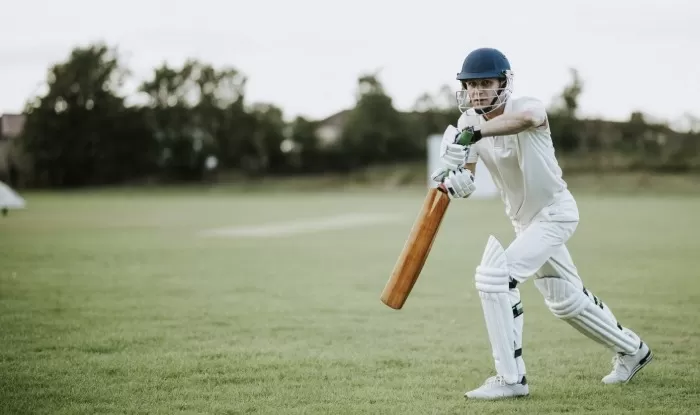
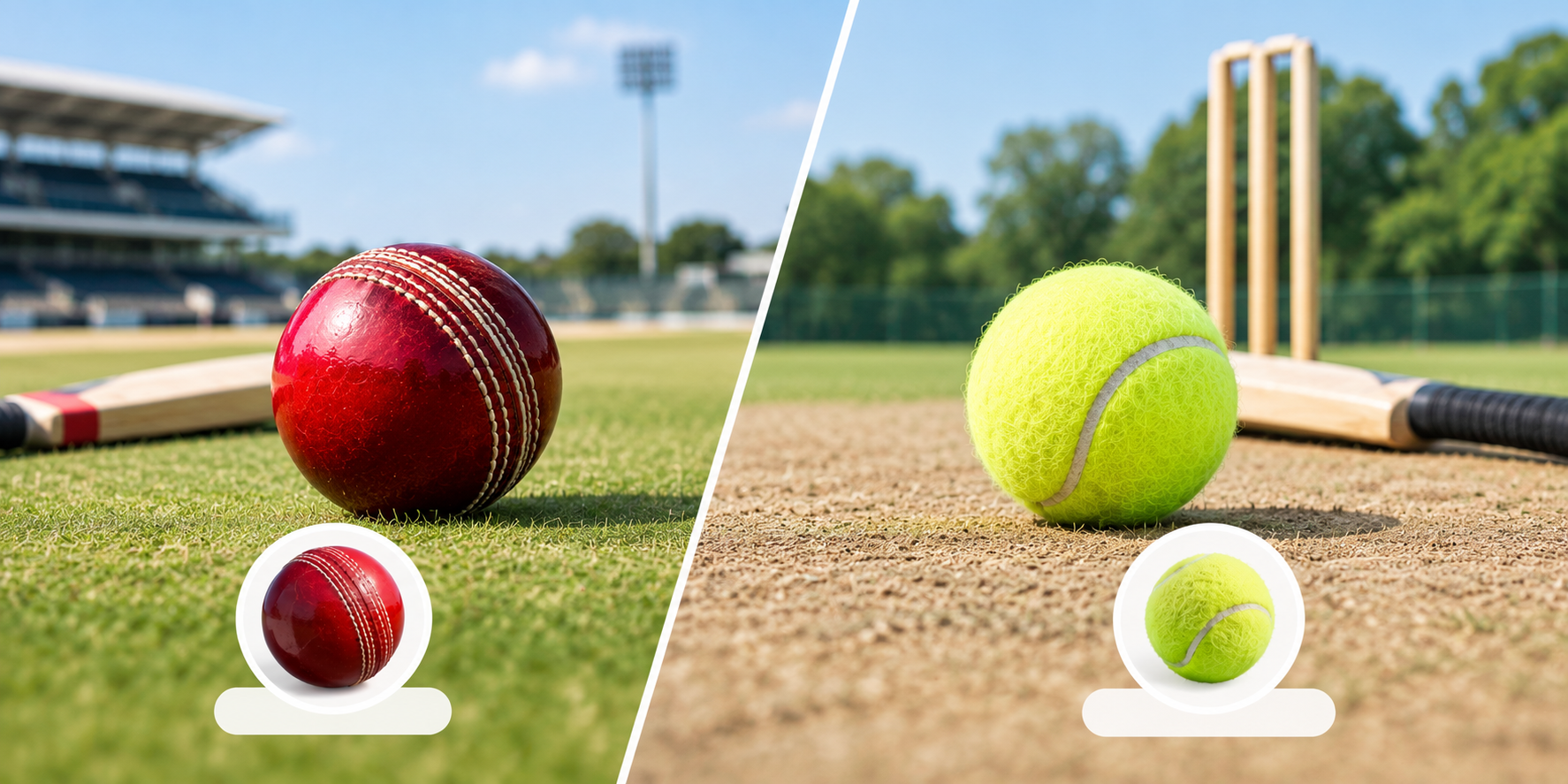
Season Ball Cricket is the format played with a genuine hard leather ball — the same one used in professional matches. It moves differently through the air, bounces differently off the pitch, and rewards players who’ve built solid technique.
This format teaches real cricket skills: judging bounce, getting into position early, bowling with a clean and controlled action, and fielding with confidence. It’s the format used at school, district, state, and professional levels — so for any child with serious cricketing ambitions, this is the stage they’ll eventually grow into.
What Is Tennis Ball Cricket?
Tennis Ball Cricket is where most players get their start — in the street, at school, in the backyard. Played with a soft rubber or tennis ball, it’s light, forgiving, and easy to pick up.
It’s a brilliant entry point: minimal gear, low physical demand, and a game that comes together with just a few friends and a bat. For young beginners, Tennis Ball Cricket is often the format that sparks a genuine love for the sport.
Season Ball vs Tennis Ball: A Quick Comparison
| Factor | Season Ball Cricket | Tennis Ball Cricket |
| Ball type | Hard leather ball | Soft rubber/tennis ball |
| Ideal for | Intermediate to advanced players | Beginners and casual players |
| Gear needed | Pads, gloves, helmet | Minimal |
| Physical demand | Higher, technique-dependent | Lower and beginner-friendly |
| Competitive level | School, district, state, professional | Local and recreational play |
| Coaching | Structured guidance recommended | Helpful, but not essential early on |
Why Good Coaching Makes the Transition Smooth
Moving from a soft ball to a hard one is a bigger shift than it looks — it changes the way a player bats, bowls, and fields. This is where quality Cricket Coaching makes all the difference.
A good coach helps with:
- Adjusting batting stance and shot selection for extra pace
- Developing a safe, efficient bowling action
- Building game awareness — field placement, strategy, and match sense
- Conditioning the body gradually for longer, more demanding games
With the right coaching, the switch to Season Ball Cricket feels like a natural next step rather than a leap.
Choosing the Right Academy for the Transition
If your child is ready to try the harder ball, the training environment matters as much as the decision itself. When exploring a Cricket Academy in Navi Mumbai, look for:
- Age-appropriate coaching that eases players from soft ball to hard ball step by step
- Experienced coaches who understand batting, bowling, and fielding fundamentals
- Good facilities proper nets, pitches, and safety gear
- Regular match play to put new skills to the test
- Balanced training loads that build skill while keeping the game fun and safe
A strong Cricket Academy in Navi Mumbai never rushes this journey. It builds a clear, supportive pathway so your child feels ready technically and mentally before making the switch.
Building Skill Through Consistent Practice
Whether it’s a soft ball or a hard one, steady Cricket Practice is what turns enthusiasm into real skill. A well-rounded routine includes:
- Technical drills for stance and footwork
- Net sessions against different types of bowling
- Fielding and throwing practice
- Fitness training suited to the format
- Match simulations to build confidence under real pressure
For players moving toward the harder ball, introducing it gradually in controlled net sessions well before it shows up in an actual match makes all the difference. This is where regular Cricket Practice truly pays off.
So, Which Format Should You Choose?
For most beginners, especially younger kids, starting with Tennis Ball Cricket is a great choice. It’s simple, low-cost, easy to organise, and lets kids enjoy the game while building the basics.
Moving to Season Ball Cricket makes sense once a player has:
- Built solid batting and bowling fundamentals
- Shown consistent interest in the sport
- Received guidance from a coach on making the switch
- Reached a good level of physical readiness
There’s no fixed age for this transition. Some kids move to the hard ball early because they’re chasing competitive cricket; others enjoy the softer format for years, purely for the love of the game and both paths are completely valid.
The Bottom Line
Season Ball Cricket and Tennis Ball Cricket aren’t rivals, they’re two stages of the same journey. One builds the foundation. The other puts that foundation to the test in real competition.
If you’re unsure which stage fits your child right now, the simplest approach works best: start soft, build fundamentals through steady Cricket Practice, and move to the harder ball once a qualified coach feels the basics are ready.
Frequently Asked Questions
There’s no fixed age it depends on skill level and physical readiness, ideally guided by a coach..
It’s a great starting point. Players aiming for school, district, or professional cricket will eventually train with a hard ball too.
Ideally, yes. Cricket Coaching helps build the right technique and keeps the transition safe and smooth.
Qualified coaches, age-appropriate training plans, proper facilities, and a gradual, supportive pathway.
A few structured sessions a week — combining technical drills, net practice, fielding, and match simulation works well.