



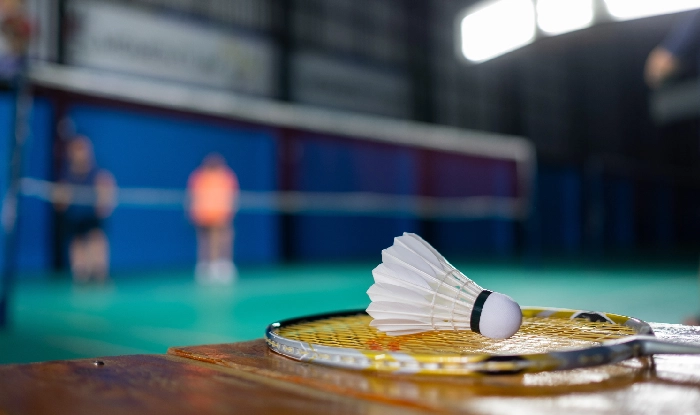
Pickleball is one of the fastest-growing sports in the world and an ideal combination of fun, fitness and friendly competition. No matter if you are a professional player or just a weekend player, the feeling of making that perfect shot is fantastic. But it is also true that injuries may appear if you are not careful. Knowing about common pickleball injuries and how to prevent them will help you stay longer on the court and play stronger.
We analyse players’ most frequent injuries and find out some useful preventive measures so that your game can be as good as your serves.
1. The infamous pickleball elbow
One of the most common pickleball injuries is the dreaded pickleball elbow, similar to tennis elbow. It is mainly caused by the repeated action of swinging the paddle, which eventually leads to the tendons on the outer side of the elbow becoming inflamed. The symptoms are a sharp or dull pain that intensifies each time the player hits the ball.
How to prevent it:
Warm up properly: Always stretch your wrists, forearms, and shoulders before a match.
Check your grip: If you grip the paddle too tightly, it is you who is responsible for the extra tension in your arm. Do a nice, gentle grip for smoother and more comfortable and pain-free swings.
Use the right paddle: A paddle that weighs less and has good ability to absorb shocks can be a source of less strain.
If the pain continues, put your arm to rest and use cold therapy. Pain-pushing only worsens it. Allow your elbow to recover before resuming your practice.
2. Pickleball knee pain – A common complaint
During quick side-to-side movements, sudden stops, and fast pivots, a lot of pressure is put on your knees; that’s why pickleball knee pain is the most common problem, particularly, those players who play on the hard surface.
How to prevent it:
Wear the correct footwear: A court shoe with good cushioning and lateral support is what you need. Running shoes do not provide the same stability.
Condition your legs: The regular performance of exercises like squats and lunges will strengthen and stabilise your knee joint.
Please be sure to stretch as well: If the hamstrings and calves are tight, they will pull on the knees and cause discomfort.
When you feel pain behind or around your kneecap, it is a sign to rest and recover; continuous overuse and lack of sufficient rest may lead to chronic issues.
3. Shoulder strain and rotator cuff injuries
On the surface, pickleball looks like a soft sport, but the continuous overhead shots, mainly smashes and serves, may overwork the shoulder joints. Postural defects or shoulder muscle weakness will only heighten the problem, turning it into an inflammatory process or even a rotator cuff tear.
How to prevent it:
Prepare your shoulders for work: Muscle warm-up might be supported by arm circle movements, wall stretches, and resistance band exercises.
Pay attention to the form: Overreaching should be avoided, and the body swing should be kept short and controlled.
Develop shoulder strength: Use light dumbbells to build your shoulder muscles and increase their endurance.
If you experience a burning or pinching feeling in your shoulder, cease the activity immediately, allow your shoulder to rest or contact a physical therapist for advice.
4. Ankle sprains and foot injuries
Quick lateral movements and fast reactions are what make pickleball exciting, but they also make ankles vulnerable. A misstep or an uneven surface can be the reasons leading to an ankle sprain.
How to prevent it:
Put on the right shoes: Court shoes with a good grip and ankle stability are necessary.
Work your ankles: A balance board workout or calf raises can be used to strengthen your ankles.
Watch the court: Always be on the lookout for slippery and uneven spots before starting your game.
If you are prone to ankle rolling, the use of ankle braces might bring some relief. During fast-paced rallies, they give extra support to your ankle.
5. Back pain from overstretching
When you reach for a low shot or twist quickly, you may stretch your lower back muscles. For older people, this is one of the most serious pickleball injuries that can interfere with their everyday lives.
How to prevent it:
Work your abdominal muscles: The core muscles, when they are strong, can give stability and support to the back.
Use the right method: When picking up a low ball, rather than bending your waist, use your knees.
Allow time for rest: Long matches with no breaks can be the cause of your lower back getting stiff and tight.
You should experience the feeling of tightness or muscle spasms, gentle yoga or a warm pack might be ways of relieving the tension.
Simple habits to prevent pickleball injuries
Though injuries are something that can happen to any player, most of them may be prevented by having the proper knowledge and adopting a few good habits. Here is a checklist of how to avoid pickleball injuries, thereby keeping yourself fit for the next match:
Prepare the body for hard work, and allow it to recover by resting and cooling down before and after every session.
Keeping your fluids up, a lack of water negatively impacts your coordination and muscle recovery.
Pay attention to what your body tells you. In a pain situation, the pain is a sign, not a command.
Play on good-quality courts with well-maintained surfaces.
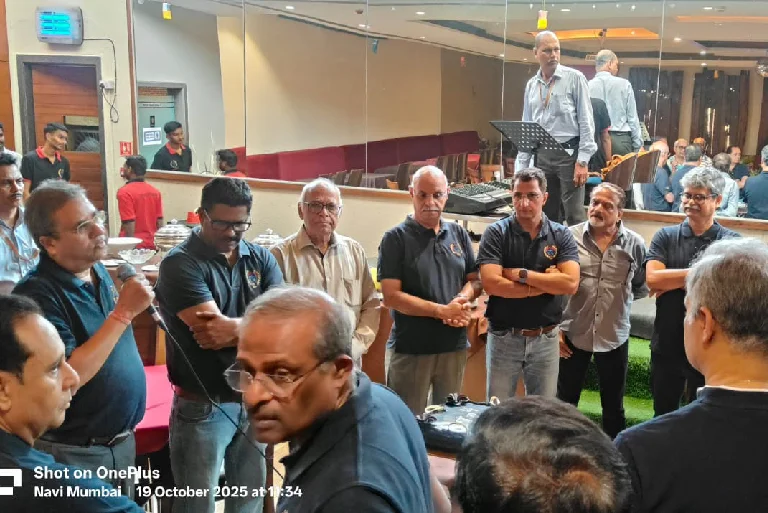
If you live in Navi Mumbai, the pickleball courts at Nerul Gymkhana you should be looking for, with excellent facilities and surroundings that promote safety. Various levels of players who wish to have a professional experience can come to these courts, where they will find perfectly done flooring, good lighting and enough space for them to carry out their programs.
Remain safe, Continue Being Competitive
Pickleball is about agility, precision and endurance, rather than pain and time off. Being knowledgeable about the symptoms and management of common pickleball injuries is the easiest way to maintain the fun factor and to play without getting hurt.
If you do the warm-up properly, follow the right technique and use the right equipment, there will be no reason for you not to enjoy every serve, rally and victory. When you play responsibly, not only do you prolong your game but also the time during which you will be able to enjoy the sport. Just go to Nerul Gymkhana and relish your game in the best possible conditions on the world-class pickleball courts in Navi Mumbai.
Common Pickleball Injuries and How to Prevent Them — FAQs
Ankle sprains, wrist strain, shoulder pain, and Achilles tendon injuries are the most common.
Warm up for 5–10 minutes, stretch key muscles, and practice good footwork.
Absolutely. Court shoes provide stability and help prevent ankle and knee issues.
Start slow, take rest days, and avoid playing too many games in a row without breaks.